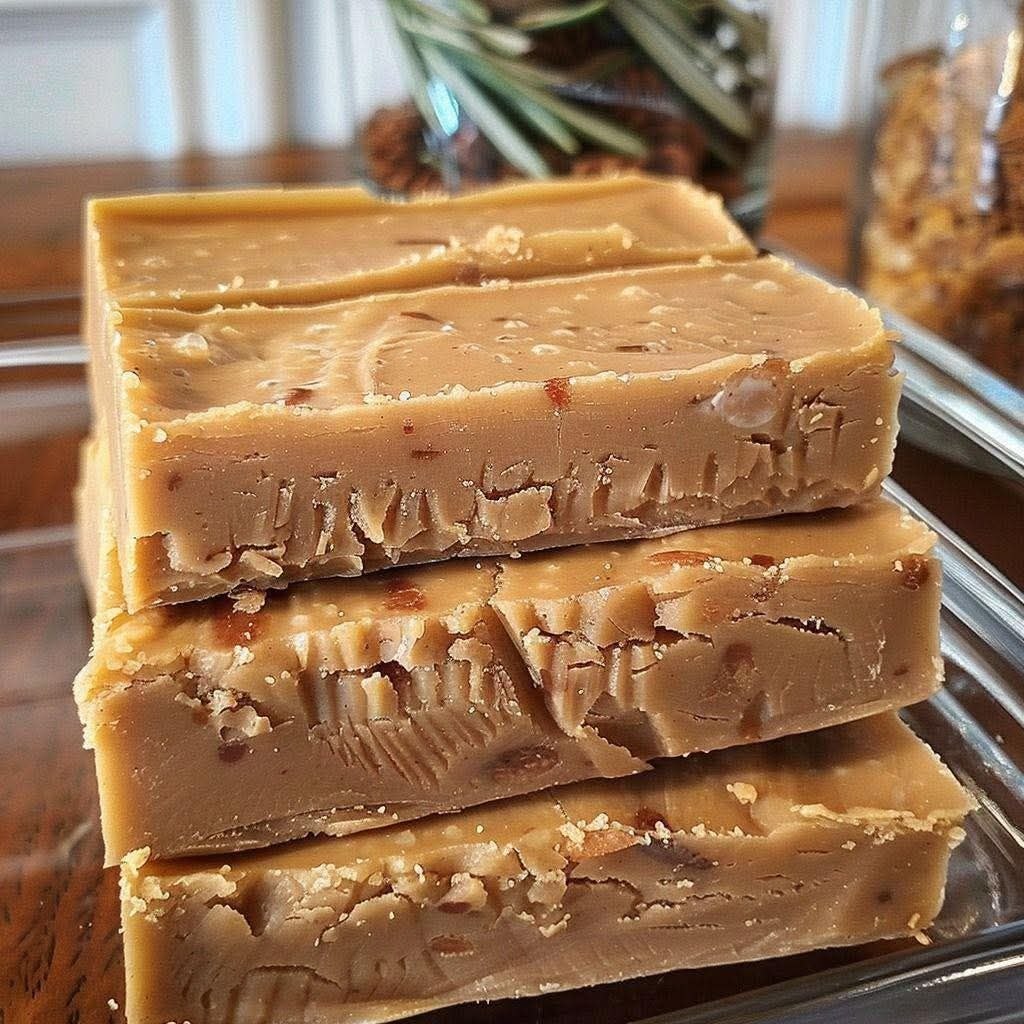
Homemade Penuche Fudge: A Classic Brown Sugar Candy Recipe
Penuche fudge is a treasured American confection that represents everything wonderful about homemade candy-making. This rich, creamy fudge gets its distinctive caramel-like flavor from brown sugar instead of the white sugar found in traditional chocolate fudge. The result is a sophisticated, buttery candy with deep notes of molasses and toffee that makes it instantly addictive. Whether you are reminiscing about childhood treats or discovering penuche for the first time, this recipe delivers authentic flavor and foolproof results that will impress family and friends alike.
What makes penuche fudge truly special is its simplicity and versatility. With just a handful of ingredients that you likely already have in your pantry, you can create restaurant-quality candy at home without any special equipment or advanced culinary skills. This recipe has been tested and perfected to ensure consistent results every single time, whether you are an experienced candy maker or a complete novice. The combination of brown sugar, butter, evaporated milk, and vanilla creates a luxurious texture that melts on your tongue while delivering incredible flavor depth that keeps people coming back for more.
Why You’ll Love This Recipe
Penuche fudge offers remarkable versatility that extends far beyond simple candy enjoyment. You can package homemade penuche in attractive boxes or bags to create impressive gifts for holidays, teachers, neighbors, and colleagues. The recipe doubles easily for large batches, making it perfect for bake sales, church fundraisers, or holiday markets. You can also customize the flavor profile by adding nuts, sea salt, espresso powder, or other mix-ins that complement the rich brown sugar base. This adaptability ensures that you can enjoy penuche year-round in countless different variations.
From a nutritional standpoint, while penuche is undoubtedly an indulgent treat, it contains fewer processed ingredients than many commercial candies. The evaporated milk provides calcium and protein, while the butter offers fat-soluble vitamins. When enjoyed in moderation as part of a balanced diet, a small piece of homemade penuche can satisfy sugar cravings more effectively than mass-produced alternatives because of its rich, concentrated flavor. You control exactly what goes into each batch, eliminating artificial flavors, colors, and preservatives found in store-bought options.
The ease of preparation is one of the most appealing aspects of this recipe. Unlike some candy recipes that require candy thermometers, ice baths, or precise timing, penuche fudge comes together quickly with minimal hands-on time. The actual cooking process takes only about twenty minutes, and most of that involves simply bringing ingredients to a boil and maintaining temperature. Once you master this basic technique, you will find yourself making penuche regularly for personal enjoyment and special occasions, confident in your ability to produce perfect results consistently.
Ingredients
- 2 cups packed brown sugar
- 1 cup granulated white sugar
- 1 cup evaporated milk
- 6 tablespoons unsalted butter
- 1 tablespoon light corn syrup
- 1/2 teaspoon salt
- 1 tablespoon vanilla extract
- 1 cup powdered sugar, sifted
- 1/2 cup chopped pecans or walnuts (optional)
Step-by-Step Instructions
- Combine the packed brown sugar, granulated white sugar, evaporated milk, butter, and corn syrup in a heavy-bottomed saucepan over medium heat. Stir the mixture constantly until all the sugar crystals have completely dissolved and the butter has melted, which should take about three to four minutes total.
- Stop stirring once the mixture comes to a rolling boil, and insert a candy thermometer into the pan making sure it does not touch the bottom. Allow the mixture to boil undisturbed until it reaches exactly 238 degrees Fahrenheit on the candy thermometer, which is the soft-ball stage and should take approximately fifteen to eighteen minutes of cooking time.
- Remove the saucepan from the heat and immediately add the salt and vanilla extract, stirring gently to incorporate these ingredients evenly throughout the hot fudge mixture. Do not over-stir at this point, as excessive stirring can cause the fudge to crystallize prematurely and develop a grainy texture.
- Allow the mixture to cool to approximately 110 degrees Fahrenheit without stirring, which typically takes about thirty to forty minutes at room temperature. You can speed this cooling process slightly by placing the saucepan on a cooling rack, but avoid placing it in the refrigerator as this may cause uneven cooling.
- Once the fudge mixture has cooled to the proper temperature, add the sifted powdered sugar and beat with an electric mixer on medium speed for three to five minutes until the mixture becomes thick, creamy, and pale in color. If adding nuts, fold them in gently at this point using a rubber spatula or wooden spoon.
- Quickly pour the thick fudge mixture into a buttered nine-by-nine-inch square baking pan before it hardens completely, using a spatula to press it evenly into all corners. Allow the fudge to set at room temperature for at least four hours, though overnight cooling produces superior texture and easier cutting results.
- Once completely set, cut the fudge into one-inch squares using a sharp knife dipped in hot water and wiped between cuts to ensure clean edges. Store the finished penuche in an airtight container at room temperature for up to two weeks, with parchment paper between layers to prevent sticking.
Expert Tips for Success
Temperature control is absolutely critical when making penuche fudge, and investing in a reliable candy thermometer eliminates much of the guesswork involved in this recipe. An accurate thermometer ensures you cook the mixture to exactly the right stage, producing fudge with the ideal soft, creamy texture every single time. If you do not have a candy thermometer, you can use the cold-water test by dropping a small amount of hot mixture into ice water and checking if it forms a soft ball that flattens slightly when removed from the water, but a thermometer provides much more reliable results and takes the stress out of the process.
The cooling stage is where many home candy makers encounter problems, so patience is essential for success. Resist the urge to refrigerate the fudge or place it in a cool location, as uneven cooling causes crystallization and grainy texture. Room temperature cooling allows the fudge to set uniformly and gradually, developing the smooth, creamy consistency that makes homemade penuche so superior to commercial versions. If your kitchen is exceptionally warm, you can place the pan on a cooling rack away from direct sunlight, which provides adequate air circulation without compromising texture quality.
The beating stage after the mixture cools determines the final texture of your penuche, so do not skip this important step or rush through it. Electric mixers work best for this task because they provide consistent, even mixing that is difficult to achieve by hand and prevents your arm from becoming exhausted. Watch the mixture carefully as you beat it, stopping as soon as it reaches the proper thick, creamy consistency with a pale color shift. Over-beating can cause the fudge to become too stiff and difficult to pour into the pan, so err on the side of caution and stop beating slightly early if you are uncertain about the consistency.
Variations and Substitutions
- Maple Pecan