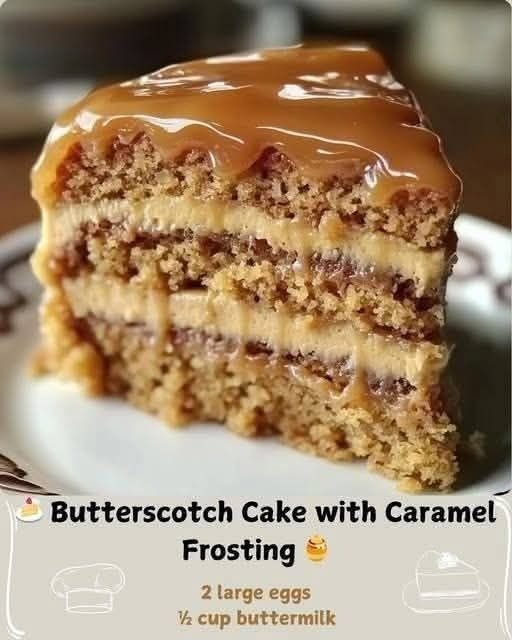
There’s something truly magical about butterscotch that transforms an ordinary cake into an extraordinary dessert experience. Butterscotch Cake with Caramel Icing is a showstopper that combines the warm, rich flavors of brown sugar and butter with the luxurious sweetness of caramel. This isn’t just any cake—it’s a masterpiece that brings together two beloved flavors in perfect harmony, creating a dessert that will have your family and friends asking for seconds before they’ve even finished their first slice.
I’ve been perfecting this recipe for years, experimenting with different ratios and techniques to achieve the perfect balance of butterscotch flavor and moisture. The cake itself is incredibly tender and moist, with a subtle butterscotch essence that doesn’t overpower but instead creates a sophisticated sweetness. The crowning glory is the caramel icing, which is silky, smooth, and absolutely decadent. Whether you’re baking for a special occasion or simply treating yourself to something extraordinary, this butterscotch cake will become your go-to recipe.
Why You’ll Love This Recipe
First and foremost, this recipe is surprisingly versatile. The butterscotch cake base works beautifully as a layer cake, a sheet cake, or even cupcakes. The caramel icing complements not just butterscotch but pairs wonderfully with chocolate, vanilla, and other complementary flavors. You can dress up the cake with simple garnishes like sea salt flakes, crushed butterscotch chips, or toffee bits, or keep it elegant with a smooth, unblemished finish. The beauty of this recipe lies in its flexibility—it adapts to your vision while maintaining its signature flavor profile.
From a nutritional standpoint, while this is undeniably an indulgent dessert, it’s formulated to maximize satisfaction and prevent overeating through sheer decadence. A modest slice delivers intense butterscotch and caramel flavors, meaning you’ll feel satisfied with a reasonable portion. The combination of quality ingredients creates a cake that tastes luxurious and special, making it feel like a genuine treat rather than just another dessert. This psychological satisfaction factor means people genuinely savor each bite rather than mindlessly consuming the entire cake.
The ease of preparation is another major advantage. Despite its impressive appearance and sophisticated flavor profile, this butterscotch cake doesn’t require advanced baking skills or hard-to-find ingredients. Standard pantry staples and simple techniques are all you need. The step-by-step process is straightforward enough for novice bakers yet satisfying enough for experienced ones. Most of the active time is spent measuring and mixing, with the oven doing the heavy lifting during baking.
Ingredients
- 2 and 1/4 cups all-purpose flour
- 2 teaspoons baking powder
- 1/2 teaspoon baking soda
- 1/2 teaspoon salt
- 3/4 cup unsalted butter, softened to room temperature
- 1 and 1/2 cups packed dark brown sugar
- 1/2 cup granulated white sugar
- 3 large eggs, room temperature
- 1 cup sour cream, room temperature
- 1/3 cup whole milk
- 2 teaspoons vanilla extract
- 1 teaspoon butterscotch extract (or additional vanilla if unavailable)
- 1/2 cup butterscotch chips, finely chopped
For the Caramel Icing:
- 1/2 cup unsalted butter
- 1 cup packed dark brown sugar
- 1/4 cup heavy cream
- 1/4 cup whole milk
- 1 teaspoon vanilla extract
- 1/4 teaspoon sea salt
- 2 to 3 cups powdered sugar, sifted
Step-by-Step Instructions
- Preheat your oven to 350 degrees Fahrenheit and prepare two 9-inch round cake pans by greasing and flouring them thoroughly or lining them with parchment paper. This ensures easy removal and prevents sticking, which is crucial for maintaining the cake’s structural integrity and appearance.
- In a medium bowl, whisk together the flour, baking powder, baking soda, and salt until well combined and no lumps remain. Set this dry mixture aside and keep it within arm’s reach of your mixing station for easy access during the next steps.
- In a large mixing bowl, cream together the softened butter, dark brown sugar, and granulated sugar using an electric mixer on medium speed for approximately three to four minutes until the mixture becomes light, fluffy, and pale. Proper creaming incorporates air into the batter, which contributes to the cake’s tender crumb structure.
- Add the room temperature eggs one at a time to the creamed mixture, beating well after each addition to ensure proper incorporation and emulsification. Allowing eggs to reach room temperature prevents temperature shock and promotes a smoother, more homogeneous batter.
- In a separate small bowl, combine the sour cream, milk, vanilla extract, and butterscotch extract and stir until smooth. This mixture will be added alternately with the dry ingredients to maintain proper texture and moisture balance.
- Beginning and ending with the flour mixture, alternate adding the dry ingredients and the wet ingredients to the creamed butter and sugar, starting with one-third of the flour mixture. Mix on low speed after each addition just until combined, being careful not to overmix, which can develop gluten and result in a dense, tough crumb.
- Fold in the finely chopped butterscotch chips by hand using a rubber spatula, distributing them evenly throughout the batter. Folding by hand rather than mixing prevents excessive manipulation of the batter and preserves the tender texture.
- Divide the batter evenly between the prepared pans, smoothing the tops with an offset spatula or the back of a spoon. Equal distribution ensures both layers bake at the same rate and create even, level cake layers.
- Bake at 350 degrees Fahrenheit for thirty-two to thirty-eight minutes, until a toothpick inserted into the center of each cake comes out with just a few moist crumbs attached. The baking time can vary depending on your oven’s individual characteristics, so begin checking at thirty minutes.
- Allow the cakes to cool in their pans for fifteen minutes before carefully inverting them onto wire cooling racks to cool completely to room temperature. This resting period allows the structure to set before removal, reducing the risk of crumbling or breaking.
- While the cakes cool, prepare the caramel icing by melting the butter in a medium saucepan over medium heat and adding the packed dark brown sugar. Stir constantly for three to four minutes until the mixture comes to a gentle boil and becomes smooth and bubbly.
- Remove the caramel from heat and carefully stir in the heavy cream and milk, being cautious as the mixture may bubble up when the cold liquid meets the hot caramel. The mixture will cool slightly and thicken, which is exactly what you want.
- Allow the caramel mixture to cool to room temperature, then stir in the vanilla extract and sea salt,