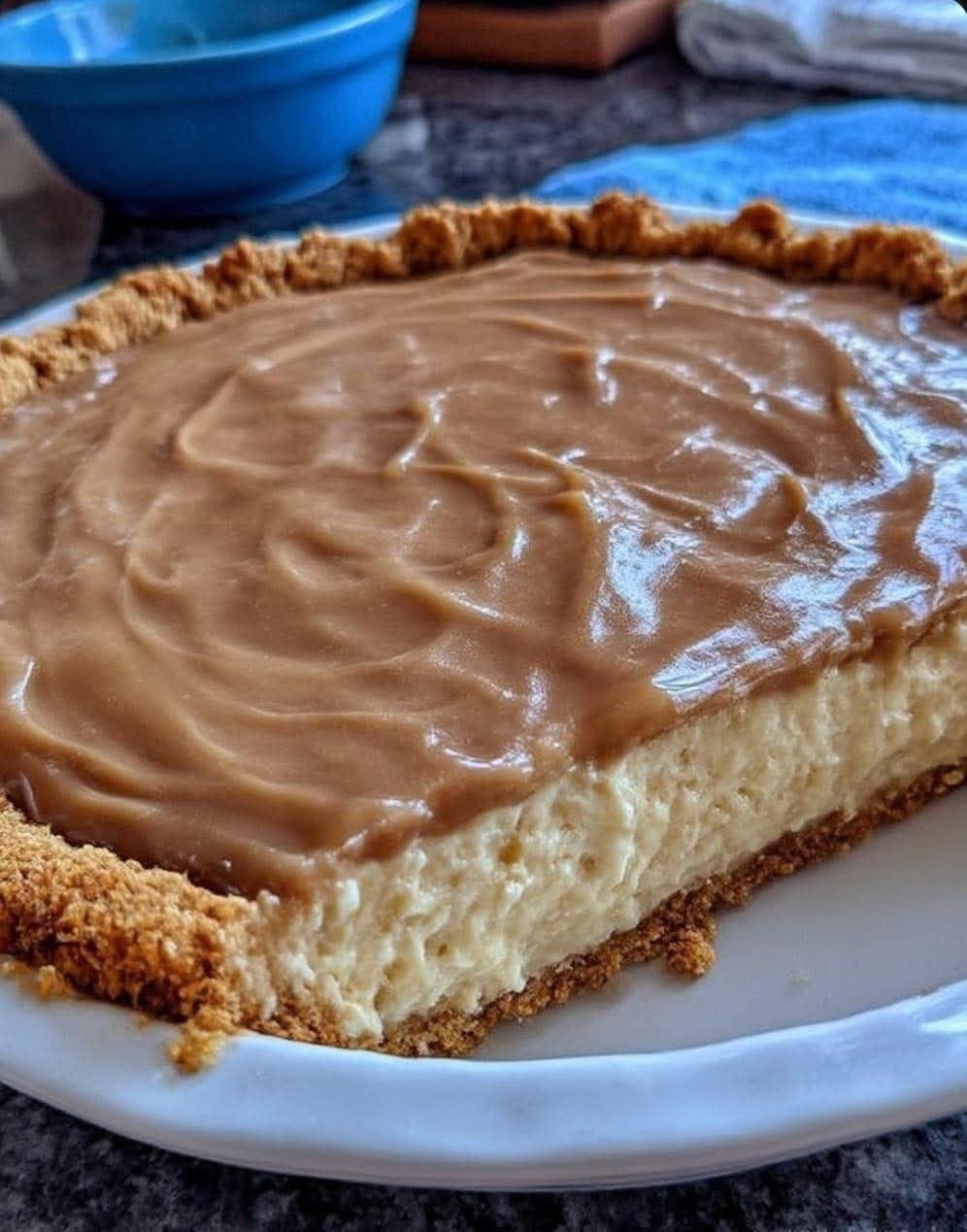
Pennsylvania Dutch Montgomery Pie: A Timeless Classic
Montgomery pie represents the heart and soul of Pennsylvania Dutch cooking, a culinary tradition that stretches back generations. This remarkable dessert is a two-in-one wonder that transforms into a mystical cake-and-pudding combination as it bakes, creating layers of pure comfort and nostalgia with every bite. The magic happens in the oven when a simple batter magically separates into a moist, caramel-colored pudding on the bottom and a tender, fluffy cake on top. This beloved recipe has been passed down through families for decades, making appearances at church socials, family reunions, and holiday gatherings throughout Lancaster County and beyond.
What makes Montgomery pie truly special is its elegant simplicity and its ability to transport you to a cozy Pennsylvania farmhouse kitchen. Unlike elaborate desserts that require specialized techniques or exotic ingredients, this pie comes together with pantry staples and straightforward methods that even beginning bakers can master. The browning sugar mixture creates an irresistible caramel sauce that pools beneath the batter during baking, while the cake portion rises above it, creating a stunning presentation that belies its humble origins. Whether you are discovering this treasure for the first time or recreating a cherished family recipe, Montgomery pie delivers the kind of homespun satisfaction that modern desserts simply cannot replicate.
Why You’ll Love This Recipe
Montgomery pie stands out as an exceptional dessert choice for anyone seeking to explore traditional American baking. The recipe requires minimal ingredients and straightforward preparation steps, making it accessible to bakers of all skill levels. You won’t need expensive equipment, unusual ingredients, or advanced techniques to create this stunning dessert. The simplicity of the method means you can have this beauty in the oven within fifteen minutes, allowing you to focus on enjoying time with family and friends rather than spending hours in the kitchen.
From a nutritional perspective, Montgomery pie offers several advantages over many contemporary desserts. Eggs provide protein and essential nutrients, while whole milk contributes calcium and vitamin D. The dessert uses simple sugars rather than high fructose corn syrup or artificial sweeteners, giving you control over exactly what goes into your food. When enjoyed in reasonable portions, this pie fits comfortably into a balanced diet while delivering authentic satisfaction that keeps you from reaching for additional treats later.
The versatility of Montgomery pie makes it an ideal candidate for any occasion throughout the year. Serve it warm from the oven at family dinners, prepare it for church potlucks and community gatherings, or present it as a thoughtful homemade gift to friends and neighbors. The dessert tastes equally magnificent whether served in casual kitchen settings or on fine china for formal occasions. Its wholesome appeal and nostalgic charm make it equally appropriate for Easter celebrations, Thanksgiving gatherings, summer picnics, or cozy winter evenings by the fire.
Ingredients
- 2 cups all-purpose flour
- 2 teaspoons baking powder
- 1/2 teaspoon salt
- 1/2 cup granulated sugar
- 1/4 cup butter, softened
- 1 cup whole milk
- 1 large egg
- 1 teaspoon vanilla extract
- 1 cup brown sugar, firmly packed
- 2 tablespoons butter, melted
- 1 3/4 cups hot water
Step-by-Step Instructions
- Preheat your oven to 350 degrees Fahrenheit and prepare a 9×13-inch baking dish by lightly greasing it with butter or non-stick cooking spray. In a medium mixing bowl, whisk together the flour, baking powder, and salt, setting this dry mixture aside for use in the next step. This preparation ensures that your leavening agents are evenly distributed throughout the batter for consistent rise and texture.
- In a large mixing bowl, cream together the softened butter and granulated sugar using an electric mixer on medium speed until the mixture becomes light and fluffy, approximately 2-3 minutes. Beat in the egg, then add the vanilla extract, mixing until fully incorporated into the creamy butter mixture. This creaming process incorporates air into the batter, which contributes to the light, tender cake layer that rises above the pudding.
- Alternately add the flour mixture and milk to the butter-sugar mixture, beginning and ending with the flour mixture and mixing on low speed just until combined after each addition. Avoid overmixing, as this can develop gluten and result in a tougher cake texture rather than the delicate crumb you desire. Pour this batter evenly into the prepared baking dish, spreading it smoothly across the bottom.
- In a small bowl, combine the brown sugar and melted butter, stirring until you achieve a uniform mixture without lumps. Sprinkle this brown sugar mixture evenly over the top of the batter, distributing it as evenly as possible across the entire surface. Do not stir this topping into the batter, as it will create the magical pudding layer as it bakes.
- Carefully pour the hot water over the brown sugar mixture and batter, moving slowly to ensure even distribution without stirring the layers together. The hot water will seem like an unusual step, but this is precisely what creates the signature pudding layer beneath the cake as the pie bakes. Bake in the preheated 350-degree Fahrenheit oven for 45-50 minutes, until the cake layer on top is golden brown and a toothpick inserted into the cake portion comes out clean.
- Remove the pie from the oven and allow it to cool for 10-15 minutes before serving, as this brief cooling period allows the layers to set slightly while remaining warm and at their flavor peak. The pie will continue to firm up as it cools, making it easier to serve without the layers separating. Serve warm with whipped cream or vanilla ice cream for an enhanced experience.
Expert Tips for Success
Temperature precision matters significantly when baking Montgomery pie, so invest in a reliable oven thermometer to verify that your oven maintains an accurate temperature throughout the baking process. Even a 25-degree variance can affect baking time and the final texture of both the cake and pudding layers. If you notice the cake browning too quickly before the pudding is set, tent the pie loosely with aluminum foil during the final 10-15 minutes of baking. Most importantly, use hot water from your kettle rather than tap water, as the heat is essential for creating the proper pudding consistency underneath the cake layer.
Don’t panic if your pie looks slightly underbaked when you remove it from the oven. The layers will continue to set during the cooling period, and a pie that seems slightly loose while hot will firm up beautifully as it cools to room temperature. The cake layer should appear golden brown and spring back when lightly touched, while the pudding below will be soft but will thicken as it cools. Conversely, if you overbake the pie, the pudding layer can become somewhat rubbery, so aim for that perfect middle ground where the cake is done but the filling still has some moisture.
Understanding the science behind why this dessert works helps you troubleshoot any issues that arise. The hot water dissolves the brown sugar, creating a caramel sauce that sinks to the bottom of the pan. The batter floats on top of this liquid layer and rises as steam and leavening agents do their work. If your pie doesn’t separate into distinct layers, verify that you didn’t inadvertently mix the brown sugar topping into the batter before adding the water. Additionally, ensure you are using the