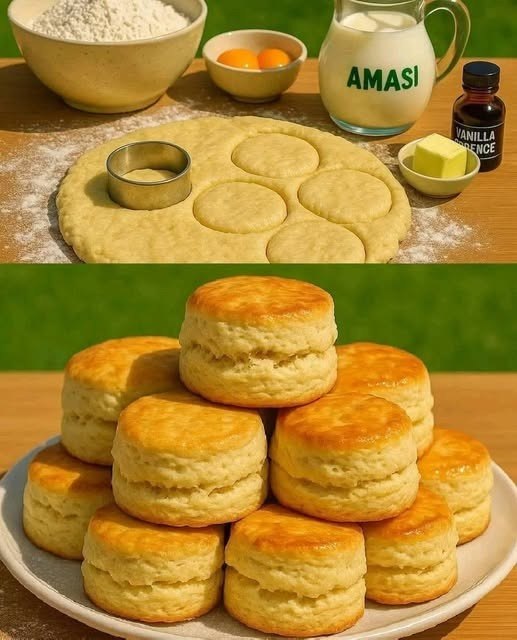
Orange raisin scones are a delightful twist on the classic British scone, infusing bright citrus notes with the natural sweetness of plump raisins. When you combine these traditional flavors with the creamy tang of amasi, a naturally fermented South African yogurt-like beverage, you create something truly extraordinary. These scones are light, fluffy, and bursting with flavor in every bite, making them the perfect addition to your afternoon tea or weekend brunch spread. The amasi adds a subtle complexity that elevates these scones beyond the ordinary, while the fresh orange juice brings vibrant acidity that balances the sweetness beautifully.
This recipe has become a beloved favorite among bakers who appreciate the combination of traditional baking techniques with unique ingredient choices. Whether you’re new to scone-making or an experienced baker looking for fresh inspiration, this recipe delivers consistently wonderful results. The beauty of these orange raisin scones lies in their versatility and the way they pair seamlessly with both sweet and savory accompaniments. From clotted cream and jam to whipped butter and honey, these scones are the perfect canvas for your favorite toppings and spreads.
Why You’ll Love This Recipe
These orange raisin scones offer remarkable versatility for any occasion. You can serve them warm at breakfast with scrambled eggs and smoked salmon, enjoy them as an afternoon treat with jam and cream, or pack them in a picnic basket for outdoor adventures. The amasi and orange juice combination works beautifully across different flavor palettes, making these scones appropriate for casual weekday mornings or elegant entertaining. Whether you’re hosting a brunch party or simply want to treat yourself to homemade goodness, this recipe adapts effortlessly to your needs. The natural flavors mean these scones taste equally delicious whether served fresh from the oven or at room temperature later in the day.
From a nutritional standpoint, these scones offer more than just indulgence. The raisins provide natural fiber, iron, and antioxidants while adding sweetness without refined sugar. Amasi brings probiotics and protein to the table, supporting digestive health and overall wellness. The orange juice contributes vitamin C and natural acidity that aids nutrient absorption. Unlike heavily processed commercial scones, this homemade version allows you to control the ingredients and eliminate unnecessary additives. You’ll know exactly what goes into every batch, making these scones a healthier choice for your family.
The ease of preparation makes this recipe accessible to bakers of all skill levels. The ingredient list is straightforward and uses items you likely already have in your pantry or can easily find at any grocery store. Once you understand the basic technique, you can have fresh scones ready to bake in less than twenty minutes of active preparation time. The hands-on time is minimal, and the oven does most of the work for you. Even if you’ve never made scones before, this recipe includes clear instructions that lead to success, and once you master this version, you’ll feel confident experimenting with endless flavor variations.
Ingredients
- 2 and 1/2 cups all-purpose flour
- 1/4 cup granulated sugar
- 2 and 1/2 teaspoons baking powder
- 1/2 teaspoon salt
- 1/2 teaspoon baking soda
- 6 tablespoons cold unsalted butter, cubed
- 3/4 cup raisins
- 2 tablespoons freshly grated orange zest
- 1/2 cup amasi or plain yogurt
- 1/3 cup fresh orange juice
- 1 large egg, beaten (for egg wash)
- 1 tablespoon coarse sugar or regular sugar (for topping)
- 1 tablespoon butter, melted (for topping)
Step-by-Step Instructions
- Preheat your oven to 400 degrees Fahrenheit and line a baking sheet with parchment paper. In a large mixing bowl, whisk together the flour, granulated sugar, baking powder, salt, and baking soda until well combined. Make sure all the leavening agents are evenly distributed throughout the flour mixture.
- Add the cold cubed butter to the flour mixture and use a pastry cutter, two knives, or your fingertips to work the butter into the flour until the mixture resembles coarse breadcrumbs. The key to light, fluffy scones is keeping the butter cold and distributed throughout the flour, creating small pockets that create steam during baking.
- Gently fold in the raisins and fresh orange zest, distributing them evenly throughout the mixture. Be careful not to overmix at this stage, as overworking the dough will develop gluten and result in tough scones rather than tender, crumbly ones.
- In a small bowl, whisk together the amasi and fresh orange juice until well combined. Create a well in the center of your dry ingredients and pour in the amasi and orange juice mixture.
- Using a wooden spoon or your hands, gently combine the wet and dry ingredients until just brought together into a shaggy dough. Do not overmix; the dough should be slightly moist and somewhat rough-textured, with some flour still visible.
- Turn the dough out onto a lightly floured surface and gently shape it into a cohesive ball without kneading. Pat the dough down into a circle approximately one inch thick, being as gentle as possible to avoid compacting the dough.
- Using a sharp knife or bench scraper, cut the dough circle into eight wedges, like cutting a pizza. Place each wedge onto your prepared baking sheet, leaving about two inches of space between each scone.
- Brush the tops of each scone with the beaten egg wash, coating them evenly but gently. Sprinkle the coarse sugar over each scone while the egg wash is still wet, and then drizzle with melted butter.
- Bake in your preheated 400 degrees Fahrenheit oven for twelve to fifteen minutes, until the scones are golden brown on top and a toothpick inserted in the center comes out clean. Watch carefully during the last few minutes of baking to ensure they don’t over-brown.
- Remove the baking sheet from the oven and allow the scones to cool on the sheet for five minutes before transferring them to a wire cooling rack. Serve the scones while still warm or at room temperature within a few hours of baking for the best texture and flavor.
Expert Tips for Success
The temperature of your ingredients matters significantly when making scones. Keep your butter in the freezer until you’re ready to use it, and consider chilling your flour and mixing bowl beforehand as well. Cold ingredients create steam when they hit the hot oven, resulting in those desirable layers and the light, airy crumb structure that makes great scones special. Additionally, using fresh amasi or high-quality yogurt makes a noticeable difference in both the flavor and texture of your final product. If your amasi is particularly thick, you may need slightly less of it, and if it’s thin, you might need slightly more; adjust the liquid ratios as needed based on your specific product.
Do not skip the freshly grated orange zest step, as this ingredient makes all the difference in achieving authentic orange flavor that transcends what orange juice alone can provide. The zest contains aromatic oils that release during baking and infuse your scones with incredible