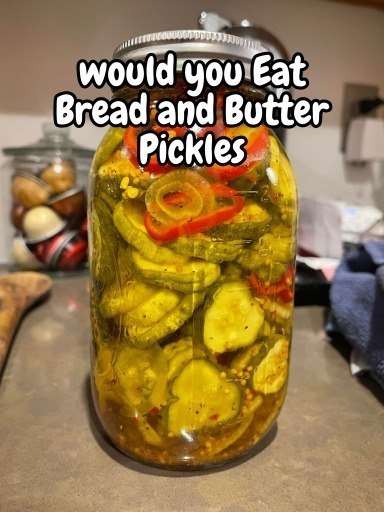
Welcome, friends, to my little corner of the internet dedicated to all things delicious! Today, we’re diving headfirst into a jar of sunshine: Bread and Butter Pickles. Get ready to experience a sweet, tangy, and utterly addictive condiment that will elevate your sandwiches, burgers, and snacking game to a whole new level. Trust me, once you taste these homemade delights, you’ll never go back to store-bought again.
Bread and butter pickles are more than just a crunchy snack; they’re a testament to the power of simple ingredients transformed into something extraordinary. The crisp cucumbers, the bright vinegar, the subtle sweetness – it all comes together in perfect harmony. These pickles strike that perfect balance between sweet and sour, making them incredibly versatile and satisfying. They are that perfect little addition to nearly any meal.
The origins of bread and butter pickles are a charming tale of resourcefulness and culinary innovation. Legend has it that a Depression-era Illinois couple, Omar and Cora Fanning, struggling to make ends meet, bartered their surplus of cucumbers for groceries. They called their sweet pickle recipe “bread and butter” pickles, and the name stuck! Their simple recipe became a staple and a delicious piece of food history.
Why You’ll Love This Recipe
Okay, let’s talk about why you absolutely NEED this bread and butter pickle recipe in your life. First and foremost, the flavor is simply irresistible. The combination of sweet, tangy, and slightly savory notes creates a symphony of taste that will tantalize your taste buds. These pickles are a welcome addition to any meal, especially when you need a little extra flavor.
Beyond the incredible flavor, these pickles are surprisingly versatile. They’re not just for sandwiches and burgers (although they are amazing on those!). Try them chopped up in potato salad, as a topping for grilled chicken or fish, or even as a quirky addition to a cheese board. The possibilities are truly endless. I like to sneak a few into my tuna salad for an extra pop.
Let’s not forget the nutritional benefits! Cucumbers are naturally low in calories and high in water content, making them a refreshing and hydrating snack. Vinegar has also been linked to various health benefits, including improved blood sugar control. While pickles aren’t exactly a health food, they can be a guilt-free indulgence in moderation. It’s important to note that pickles can be high in sodium, so those watching their salt intake may want to limit consumption.
Finally, this recipe is incredibly easy to make! Seriously, even if you’re a beginner in the kitchen, you can whip up a batch of these pickles in no time. The process is straightforward, the ingredients are readily available, and the results are guaranteed to impress. Plus, there’s something deeply satisfying about creating your own homemade condiments. You know exactly what’s going into them, and you can customize the flavors to your liking.
Ingredients
- 4 cups thinly sliced cucumbers (about 4 medium)
- 1 medium onion, thinly sliced
- 1/2 cup pickling salt
- 3 cups white vinegar (5% acidity)
- 1 1/2 cups granulated sugar
- 1 tablespoon mustard seeds
- 1 teaspoon celery seeds
- 1/2 teaspoon ground turmeric
Step-by-Step Instructions
- Prepare the cucumbers and onions: In a large bowl, combine the sliced cucumbers and onions. Sprinkle with pickling salt and toss gently to coat. Add enough ice to cover the mixture, then add cold water to cover the ice. Let stand for at least 2 hours, or preferably overnight, in the refrigerator. This step is crucial for drawing out excess moisture and ensuring crisp pickles.
- Rinse and drain: After soaking, drain the cucumber and onion mixture in a colander. Rinse thoroughly under cold running water to remove all traces of salt. Drain well and pat dry with paper towels to remove as much moisture as possible. This prevents the pickles from becoming soggy.
- Make the brine: In a large, non-reactive saucepan (stainless steel or enamel-coated), combine the white vinegar, granulated sugar, mustard seeds, celery seeds, and ground turmeric. Bring the mixture to a boil over medium-high heat, stirring constantly until the sugar is completely dissolved. Reduce heat to low and simmer for 5 minutes, allowing the flavors to meld together.
- Add the vegetables: Add the drained cucumber and onion mixture to the simmering brine. Increase the heat to medium and bring the mixture back to a simmer. Cook for about 5 minutes, or until the cucumbers turn a slightly translucent color. Be careful not to overcook them, as this will make them soft.
- Process the pickles: If you are canning the pickles for long-term storage, prepare your canning jars and lids according to the manufacturer’s instructions. Ladle the hot pickles and brine into the sterilized jars, leaving 1/2 inch of headspace. Remove any air bubbles by gently tapping the jars on the counter. Wipe the jar rims clean, place the lids on top, and screw on the bands until fingertip tight. Process the jars in a boiling water bath for 10 minutes, adjusting for altitude if necessary. If you are not canning the pickles, proceed to step 6.
- Refrigerate (if not canning): If you are not canning the pickles, allow the mixture to cool slightly. Transfer the pickles and brine to airtight containers. Refrigerate for at least 24 hours before serving to allow the flavors to fully develop. The pickles will taste even better after a few days!
Expert Tips for Success
For the crispiest pickles, don’t skip the soaking step! The salt helps draw out excess moisture, which prevents the pickles from becoming soggy. Using ice water keeps the cucumbers nice and firm. This is a key step to getting that perfect crunch we all crave.
Use high-quality vinegar for the best flavor. White vinegar is the most common choice for bread and butter pickles, but you can experiment with other types of vinegar, such as apple cider vinegar or rice vinegar, for a slightly different flavor profile. Just be sure to use a vinegar with at least 5% acidity to ensure proper preservation.
Don’t overcook the cucumbers! Overcooked cucumbers will be soft and mushy, which is not what we want. Cook them just until they turn slightly translucent. They will continue to soften slightly as they cool and sit in the brine.
If you’re canning the pickles, be sure to follow proper canning procedures to ensure food safety. This includes using sterilized jars and lids, processing the jars for the correct amount of time, and checking the seals to ensure they are properly sealed. Properly canned pickles can be stored at room temperature for up to a year.
Variations and Substitutions
- Spicy Bread and Butter Pickles: Add a pinch of red pepper flakes or a sliced jalapeno pepper to the brine for a little heat.
- Dill Bread and Butter Pickles: Add a tablespoon of dried dill weed or a few sprigs of fresh dill to the brine for a classic dill pickle flavor.
- Garlic Bread and Butter Pickles: Add a few cloves of minced garlic to the brine for a pungent and savory twist.
- Bread and Butter Pickle Relish: Finely chop the cucumbers and onions before pickling for a delicious relish that’s perfect for hot dogs and sandwiches.
- Use Different Vegetables: Experiment with pickling other vegetables, such as bell peppers, carrots, or green beans, using the same brine recipe.
Serving Suggestions
Bread and butter pickles are incredibly versatile and can be enjoyed in countless ways. Of course, they’re a classic addition to sandwiches and burgers, adding a sweet and tangy crunch that complements the savory flavors. Try them on a classic ham and cheese sandwich, a juicy cheeseburger, or even a veggie burger.
But don’t stop there! These pickles are also delicious as a side dish, a topping for grilled meats or fish, or even as a quirky addition to a cheese board. Chop them up and add them to potato salad, tuna salad, or egg salad for a burst of flavor. Or, simply snack on them straight from the jar – I won’t judge! They’re also a great addition to a charcuterie board for a little sweet and sour contrast.
FAQs
Q: Can I use regular table salt instead of pickling salt?
A: No, it’s best to use pickling salt (also known as canning salt) because it doesn’t contain iodine or anti-caking agents, which can cloud the brine and affect the flavor of the pickles.
Q: How long do bread and butter pickles last?
A: If properly canned, bread and butter pickles can last for up to a year at room temperature. Once opened, they should be stored in the refrigerator and will last for several weeks. Uncanned pickles should be stored in the refrigerator and will last for about 2-3 weeks.
Q: Can I reduce the amount of sugar in the recipe?
A: Yes, you can reduce the amount of sugar slightly, but keep in mind that the sugar helps to balance the acidity of the vinegar and contributes to the overall flavor of the pickles. Reducing the sugar too much may result in pickles that are too tart.
Q: My pickles are soft. What did I do wrong?
A: Soft pickles are usually caused by not soaking the cucumbers long enough, overcooking them, or using old cucumbers. Be sure to soak the cucumbers in ice water with salt for at least 2 hours, don’t overcook them, and use fresh, firm cucumbers.
Final Thoughts
And there you have it – my ultimate recipe for homemade bread and butter pickles! I hope you’ll give this recipe a try and experience the joy of creating your own delicious, tangy, and irresistible pickles. They’re a fantastic way to preserve the bounty of summer and add a touch of sunshine to your meals all year round.
So, grab your cucumbers, gather your ingredients, and get ready to embark on a pickling adventure! Don’t be afraid to experiment with different variations and substitutions to create your own signature bread and butter pickle recipe. Happy pickling!
Bread and Butter Pickles
Sweet, tangy, and irresistibly crunchy homemade pickles.
Ingredients
- 4 cups thinly sliced cucumbers
- 1 medium onion, thinly sliced
- 1/2 cup pickling salt
- 3 cups white vinegar (5% acidity)
- 1 1/2 cups granulated sugar
- 1 tablespoon mustard seeds
- 1 teaspoon celery seeds
- 1/2 teaspoon ground turmeric
Directions
- Combine cucumbers, onions, and salt. Add ice and water; let stand for at least 2 hours.
- Rinse and drain the cucumber mixture thoroughly. Pat dry with paper towels.
- Combine vinegar, sugar, and spices in a saucepan. Bring to a boil, then simmer for 5 minutes.
- Add cucumbers and onions to the brine. Simmer for 5 minutes, until slightly translucent.
- Process in sterilized jars for 10 minutes (if canning). Otherwise, cool and refrigerate.
- Refrigerate for at least 24 hours before serving.